A classification to converters
A classification to converters
Converters, in the context of power electronics, are devices that convert electrical energy from one form to another. They can be classified based on various criteria. Here are some common classifications of converters:
1. Based on the Direction of Energy Flow:
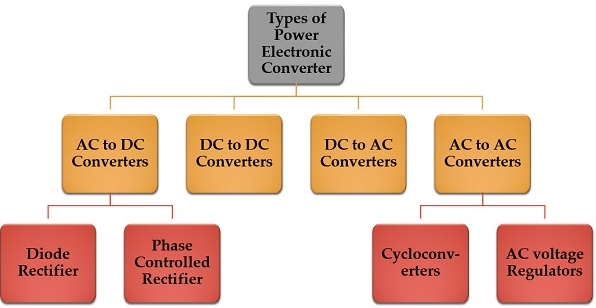
a. AC to DC Converters (Rectifiers): These converters convert alternating current (AC) input into direct current (DC) output. They are commonly used in power supplies and battery charging applications.
b. DC to AC Converters (Inverters): These converters convert direct current (DC) input into alternating current (AC) output. They are used in applications such as renewable energy systems, uninterruptible power supplies (UPS), and motor drives.
2. Based on the Number of Phases:
a. Single-Phase Converters: These converters operate with a single-phase AC input or output. They are commonly used in residential and small-scale commercial applications.
b. Three-Phase Converters: These converters operate with a three-phase AC input or output. They are used in industrial and high-power applications, such as motor drives, industrial power systems, and grid-connected renewable energy systems.
3. Based on the Type of Conversion:
a. Voltage Converters: These converters change the voltage level of the input electrical energy to a different voltage level.
b. Current Converters: These converters change the current level of the input electrical energy to a different current level.
c. Frequency Converters: These converters change the frequency of the input electrical energy to a different frequency.
4. Based on the Control Strategy:
a. Linear Converters: These converters use linear control techniques and operate in the linear mode of operation. They offer precise control but are less efficient.
b. Switching Converters: These converters use switching control techniques, such as pulse width modulation (PWM), and operate in the switching mode of operation. They offer high efficiency but may introduce switching noise.
5. Based on the Application:
a. DC-DC Converters: These converters convert DC input voltage to a different DC output voltage. They are used in various applications, including power supplies, battery charging, and electric vehicles.
b. DC-AC Converters: These converters convert DC input voltage to AC output voltage. They are used in applications such as renewable energy systems, UPS, and motor drives.
c. AC-DC Converters: These converters convert AC input voltage to DC output voltage. They are commonly used in power supplies and rectification applications.
d. AC-AC Converters: These converters convert AC input voltage to a different AC output voltage or frequency. They are used in applications such as motor speed control and grid interconnection.


Related Articles

Raspberry Pi and Microcontrollers Detailed Comparison
A classification to converters
RTX4070 VS RTX4080 VS RTX4090 GPUs Comparison
Introducing the LOONGSON LS3A6000 CPU
Flip-Flop Electronics, How Flip Flops Work, Types, Application,
Basis of Alkaline Batteries, Lithium vs Alkaline Batteries vs Nickel
Electrical Connector Recognition:Types,Construction,Connecting Method
Coaxial Cable: A Versatile Solution for Signal Transmission
The Future of AI: Elon Musk's Concerns and the Birth of xAI Grok
What's the Difference Between Amplifier and Operational Amplifier
How to Fix an iPhone Flashlight That Isn’t Working