A classification to converters
A classification to converters
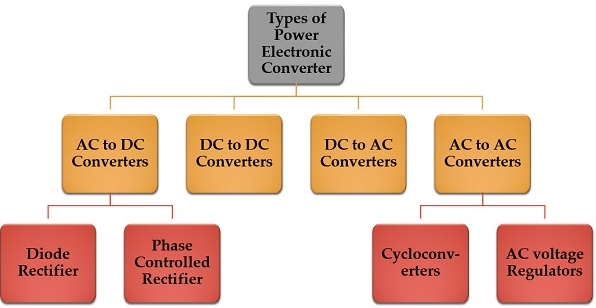
Converters, in the context of power electronics, are devices that convert electrical energy from one form to another. They can be classified based on various criteria. Here are some common classifications of converters:
1. Based on the Direction of Energy Flow:
a. AC to DC Converters (Rectifiers): These converters convert alternating current (AC) input into direct current (DC) output. They are commonly used in power supplies and battery charging applications.
b. DC to AC Converters (Inverters): These converters convert direct current (DC) input into alternating current (AC) output. They are used in applications such as renewable energy systems, uninterruptible power supplies (UPS), and motor drives.
2. Based on the Number of Phases:
a. Single-Phase Converters: These converters operate with a single-phase AC input or output. They are commonly used in residential and small-scale commercial applications.
b. Three-Phase Converters: These converters operate with a three-phase AC input or output. They are used in industrial and high-power applications, such as motor drives, industrial power systems, and grid-connected renewable energy systems.
3. Based on the Type of Conversion:
a. Voltage Converters: These converters change the voltage level of the input electrical energy to a different voltage level.
b. Current Converters: These converters change the current level of the input electrical energy to a different current level.
c. Frequency Converters: These converters change the frequency of the input electrical energy to a different frequency.
4. Based on the Control Strategy:
a. Linear Converters: These converters use linear control techniques and operate in the linear mode of operation. They offer precise control but are less efficient.
b. Switching Converters: These converters use switching control techniques, such as pulse width modulation (PWM), and operate in the switching mode of operation. They offer high efficiency but may introduce switching noise.
5. Based on the Application:
a. DC-DC Converters: These converters convert DC input voltage to a different DC output voltage. They are used in various applications, including power supplies, battery charging, and electric vehicles.
b. DC-AC Converters: These converters convert DC input voltage to AC output voltage. They are used in applications such as renewable energy systems, UPS, and motor drives.
c. AC-DC Converters: These converters convert AC input voltage to DC output voltage. They are commonly used in power supplies and rectification applications.
d. AC-AC Converters: These converters convert AC input voltage to a different AC output voltage or frequency. They are used in applications such as motor speed control and grid interconnection.


Related Articles

Multiplexing In Networking:Multiplexing & Demultiplexing Examples
How MOSFETS Work?Know Everything About Mosfet:Types,Operation
What Are Biosensors Used For And How Does It Work?
What is a Voltage divider? Function, Formula, Application
What are Different Types of DB Connectors: DB9,DB15,DB25,DB37,DB50
Types of Switches: A Guide to Understanding and Utilizing Them
How Does An IGBT Rectifier Work?
How to Connect to an FTP with a Different Port
Understanding IMU: A Beginner's Guide to Inertial Measurement Units
Exploring the Capabilities of Google's Gemini AI Model: Is It the Best?
Brushless DC (BLDC) Motor Explained:Working Principles, Structure