A classification to converters

A classification to converters

Converters, in the context of power electronics, are devices that convert electrical energy from one form to another. They can be classified based on various criteria. Here are some common classifications of converters:


1. Based on the Direction of Energy Flow:

   a. AC to DC Converters (Rectifiers): These converters convert alternating current (AC) input into direct current (DC) output. They are commonly used in power supplies and battery charging applications.

   b. DC to AC Converters (Inverters): These converters convert direct current (DC) input into alternating current (AC) output. They are used in applications such as renewable energy systems, uninterruptible power supplies (UPS), and motor drives.


2. Based on the Number of Phases:

   a. Single-Phase Converters: These converters operate with a single-phase AC input or output. They are commonly used in residential and small-scale commercial applications.

   b. Three-Phase Converters: These converters operate with a three-phase AC input or output. They are used in industrial and high-power applications, such as motor drives, industrial power systems, and grid-connected renewable energy systems.


3. Based on the Type of Conversion:

   a. Voltage Converters: These converters change the voltage level of the input electrical energy to a different voltage level.

   b. Current Converters: These converters change the current level of the input electrical energy to a different current level.

   c. Frequency Converters: These converters change the frequency of the input electrical energy to a different frequency.


4. Based on the Control Strategy:

   a. Linear Converters: These converters use linear control techniques and operate in the linear mode of operation. They offer precise control but are less efficient.

   b. Switching Converters: These converters use switching control techniques, such as pulse width modulation (PWM), and operate in the switching mode of operation. They offer high efficiency but may introduce switching noise.


5. Based on the Application:

   a. DC-DC Converters: These converters convert DC input voltage to a different DC output voltage. They are used in various applications, including power supplies, battery charging, and electric vehicles.

   b. DC-AC Converters: These converters convert DC input voltage to AC output voltage. They are used in applications such as renewable energy systems, UPS, and motor drives.

   c. AC-DC Converters: These converters convert AC input voltage to DC output voltage. They are commonly used in power supplies and rectification applications.

   d. AC-AC Converters: These converters convert AC input voltage to a different AC output voltage or frequency. They are used in applications such as motor speed control and grid interconnection.
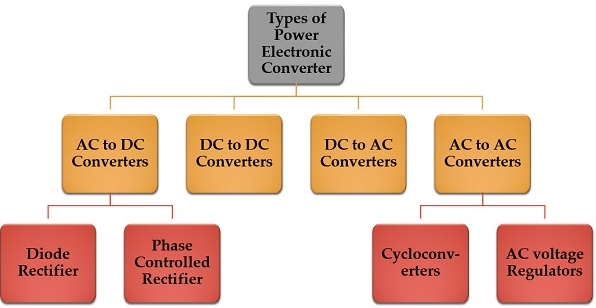


converter classification


Related Articles

Exploring the Synergy between Blockchain Technology & Electronic Components

Release time:2023-09-27       Page View:432
Blockchain technology is a decentralized and distributed ledger system that allows multiple parties to maintain a shared digital database without the need for a centralized authority. It is essentially a transparent and secure system that records transactions across multiple computers, creating a chain of blocks that cannot be altered retroactively.The ma...

Cas9 Explanation

Release time:2023-09-27       Page View:566
Cas9 is an enzyme that is part of the CRISPR-Cas9 gene editing system. CRISPR-Cas9 is a revolutionary technology that allows scientists to edit, or modify, a specific section of an organism's DNA. Cas9 serves as the "molecular scissors" that can cut the DNA at a specific location, guided by a small piece of RNA called the guide RNA...

Seven Nanometer Technology: Revolutionizing the Semiconductor Industry

Release time:2023-09-27       Page View:423
Introduction:The semiconductor industry is witnessing an exciting era of innovation with the advent of seven nanometer(7 nm) technology. With this revolutionary leap in transistor sizes and chip manufacturing processes, the world is experiencing a significant boost in performance, efficiency, and integration capabilities. In this article, we will explore...

Arm vs X86: Application, Price & Future Development

Release time:2023-09-27       Page View:508
This article will tell you the difference, application, price and future development.

A Guide to Solenoid Switches and Starter Solenoids

Release time:2023-09-27       Page View:773
This post will lead you to the overview of Solenoid Switch, including its types, applications and Maintenance

Wireless Charging Explained: Working, Pros & Cons, Applications

Release time:2023-09-22       Page View:833
CatalogIntroduction:Working Principle:Pros of Wireless Charging:Cons of Wireless Charging:ApplicationsConclusionIntroduction:Wireless charging technology has revolutionized the way we power our devices, offering a convenient and cable-free charging experience. In this article, we will delve into the working principles of wireless charging, exp...

Understanding Pinout: A Comprehensive Guide

Release time:2023-09-20       Page View:1630
Hi friends, let's take the journey ofunderstanding Pinout!Catalog1.Introduction:2.What is pinout?3.What is a pinout used for?4.How to readpinout?5.Different Types ofpinout6.Examples of pinout1.Introduction:In the world of electronics and circuitry,pinoutplays a crucial role in ensuring proper connectivity and functionality. Whether you are a hob...

A Beginner's Instruction Manual about Raspberry Pi

Release time:2023-09-20       Page View:516
Explore the best uses and projects for the Raspberry Pi!Some of you may already know about it, but some of you don't know much about it yet. Its component and application.

Power Transformers vs Converters: Are they the same

Release time:2023-09-18       Page View:1058
Let's clear the distinction between Power Transformers and Converters

Circuit For Buck Boost Converters: Stable Transforming Voltage

Release time:2023-09-16       Page View:575
Hello guys, Today we are going to see the introduction of the Buck-boost converter.Buck-boost convertersare a form ofswitching-mode power supply. It can supply a regulated DC output from a source voltage either above or below the desired output voltage. This can be particularly helpful in battery-powered applications in which the battery voltage star...

Uncovering the Secrets of Electronic Component Storage

Release time:2023-09-14       Page View:570
This post is about a roundup on how to store electronic components, Let's unravel the mysteries of electronic component storage!

Chip Shortage Ravages Automotive Industry: Impact Unavoidable

Release time:2023-09-14       Page View:448
Hello, my friends! Let’s talk about the unavoidable impact of chip shortage on Auto Industry! The content will include analysis and some solution from distributors.
RFQ