How To Size Surge Protection Device?
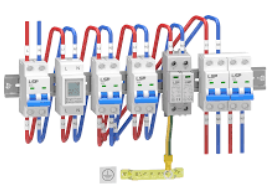
How Do Surge Protection Devices Work?
Surge Protective Devices, or SPDs, are essential components in modern electrical and electronic systems. These devices play a crucial role in safeguarding equipment and infrastructure from the damaging effects of transient overvoltages, commonly known as surges or spikes.
What are Surges?
Surges are brief, high-energy electrical disturbances that can occur due to various factors, such as lightning strikes, utility switching operations, or electrical equipment turning on and off. These sudden voltage spikes can cause significant damage to sensitive electronic components, leading to premature failure, data loss, and even fire hazards.
The Importance of SPDs
SPDs act as a first line of defense against surges, diverting the excess voltage to ground and protecting valuable equipment from potential harm. By incorporating SPDs into electrical systems, businesses and homeowners can mitigate the risks associated with surges, ensuring the longevity and reliable operation of their electronics.
3 Phase Surge Protection Device
Three-Phase Surge Protection Device:
A three-phase surge protection device (SPD) is designed to protect three-phase electrical systems from transient overvoltages and surges. It is commonly used in industrial, commercial, and larger residential applications where the electrical distribution is based on three-phase power.
Key features of three-phase SPDs include:
- Three-Phase Protection: Three-phase SPDs have multiple protection modules, one for each phase (L1, L2, L3). This allows for simultaneous protection of all three phases against transient overvoltages.
- Surge Current Handling: Three-phase SPDs are designed to handle surge currents generated by lightning strikes and other transient events in three-phase power systems. The surge current rating is typically specified for each phase and is measured in kiloamperes (kA).
- Voltage Protection Levels: Three-phase SPDs provide protection against surge voltages by clamping them to a safe level. The voltage protection level is specified for each phase and represents the maximum voltage allowed to pass through to the connected equipment.
- Mounting Options: Three-phase SPDs can be mounted on DIN rails, in electrical panels, or integrated into distribution boards, depending on the specific model and application.
What Is Eaton Brnsurge Type Br Whole-Panel Circuit Breaker Surge Protective Device?
Eaton BRNSURGE Type BR Whole-Panel Circuit Breaker Surge Protective Device:
The Eaton BRNSURGE Type BR Whole-Panel Circuit Breaker Surge Protective Device is a specific model of surge protection device manufactured by Eaton. It is designed to be installed as a circuit breaker in the electrical panel to provide surge protection for the entire panel and all connected circuits.
Key features of the Eaton BRNSURGE Type BR include:
- Whole-Panel Protection: The device is installed in the electrical panel and provides surge protection for all circuits connected to the panel, including branch circuits, appliances, and equipment.
- Circuit Breaker Integration: The BRNSURGE Type BR combines surge protection with the functionality of a circuit breaker. This allows for ease of installation and eliminates the need for additional space or wiring for a separate SPD.
- Voltage Protection Levels: The device offers voltage protection levels that limit the magnitude of transient overvoltages reaching the connected circuits and equipment.
- LED Indicator: The BRNSURGE Type BR features an LED indicator that provides visual indication of the device's operational status. It can indicate if the device is functioning properly or if it requires attention.
Type 1 Surge Protection Device
A Type 1 Surge Protection Device (SPD), also known as a Type 1 Surge Arrester, is a surge protection device designed to provide protection against direct lightning strikes and severe transient overvoltages. It is typically installed at the main electrical service entrance or distribution panel to protect the entire electrical system of a building from high-energy surges.
Type 1 SPDs are built to handle high surge currents and have a robust design capable of diverting lightning strikes and large surges directly to the ground. They provide primary protection for electrical systems, including incoming power lines, distribution panels, and other critical equipment.
Type 2 Surge Protection Device
Type 2 Surge Protection Device
Some key features of Type 1 SPDs include:
1. High Surge Current Rating: Type 1 SPDs are designed to handle high surge currents typically associated with direct lightning strikes. They have a high surge current rating, often measured in kiloamperes (kA), to safely divert the surge energy away from the protected equipment.
2. Low Voltage Protection Level: Type 1 SPDs have a low voltage protection level to limit the magnitude of transient overvoltages that can reach the downstream electrical system. They help prevent damage to electrical equipment and minimize the risk of electrical fires and disruptions.
3. Coordination with Type 2 SPDs: Type 1 SPDs are often used in conjunction with Type 2 SPDs to provide a comprehensive surge protection solution. Type 2 SPDs are installed at the electrical distribution panels or subpanels to protect individual circuits and equipment within the building. The Type 1 SPD provides the first line of defense, diverting high-energy surges, while the Type 2 SPDs offer additional protection against lower magnitude surges.
On the other hand, a Type 2 Surge Protection Device (SPD), also known as a Type 2 Surge Arrester or a Secondary Surge Protector, is designed to protect individual electrical circuits and equipment within a building from transient overvoltages. They are typically installed at the distribution panels, subpanels, or directly at sensitive equipment.
Type 2 SPDs provide secondary protection against transient overvoltages generated from internal sources or surges that have traveled through the electrical distribution system. They offer a lower voltage protection level compared to Type 1 SPDs and are designed to handle lower surge currents.
Some key features of Type 2 SPDs include:
1. Moderate Surge Current Rating: Type 2 SPDs are designed to handle moderate surge currents typically generated by internal electrical events or surges entering the building through the electrical system. They have a surge current rating, often measured in kiloamperes (kA), appropriate for protecting individual circuits and equipment.
2. Lower Voltage Protection Level: Type 2 SPDs provide a lower voltage protection level to limit the magnitude of transient overvoltages that can reach the connected equipment. They help protect sensitive electronics, appliances, and other devices from damage caused by surges.
3. Coordinated Protection: Type 2 SPDs are often used in conjunction with Type 1 SPDs for comprehensive surge protection. The Type 1 SPD provides primary protection at the main service entrance, while the Type 2 SPDs offer secondary protection at individual circuits or equipment.
It is important to consult with a qualified electrician or a surge protection specialist to determine the appropriate surge protection requirements for a specific electrical system and to ensure that the correct type and rating of SPDs are installed in accordance with local electrical codes and safety standards.
*How To Size Surge Protection Device
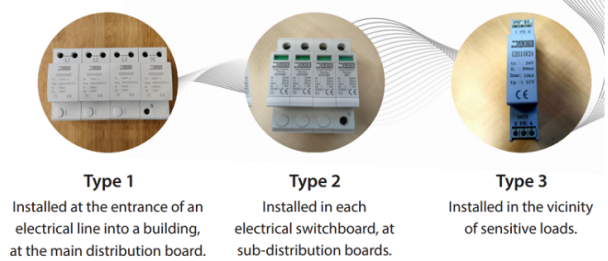
Type 1 and Type 2 and Type 3 surge protector
How many types of surge protectors are there?
What is the difference between AC SPD and DC SPD?
How do I choose SPD?
When it comes to safeguarding electrical and electronic systems from the damaging effects of surges, choosing the right Surge Protection Device (SPD) is crucial. Proper sizing and selection of SPDs ensure effective protection and prevent unnecessary overspending. In this article, we'll explore the different types of SPDs, their characteristics, and provide guidelines on how to choose the appropriate device for your specific application.
Understanding SPD Types:
1. How many types of surge protectors are there?
There are three main types of SPDs: Type 1, Type 2, and Type 3, each designed for different applications and voltage levels.
2. What is the difference between Type 1, Type 2, and Type 3 surge protectors?
Type 1 SPDs, also known as "primary" or "service entrance" protectors, are designed to handle the highest surge currents, typically from direct lightning strikes. They are installed at the main service entrance or distribution panel of a building.
Type 2 SPDs, or "secondary" protectors, are intended for downstream protection within the electrical distribution system. They offer lower surge current ratings than Type 1 but are still capable of handling significant surges.
Type 3 SPDs, sometimes called "point-of-use" or "branch circuit" protectors, are designed for localized protection of sensitive equipment or appliances. They have the lowest surge current ratings among the three types.
3. What is the difference between AC SPDs and DC SPDs?
AC SPDs are designed to protect alternating current (AC) circuits, such as those found in residential, commercial, and industrial power systems. They are typically installed in parallel with the AC power lines.
DC SPDs, on the other hand, are specifically engineered to protect direct current (DC) circuits, which are commonly found in telecommunication systems, renewable energy installations (e.g., solar panels), and various industrial applications.
Choosing the Right SPD:
To select the appropriate SPD for your application, consider the following factors:
1. Location: Determine where the SPD will be installed (service entrance, distribution panel, or point-of-use) and the corresponding voltage level.
2. System Type: Identify whether you need protection for AC or DC circuits.
3. Surge Current Rating: Evaluate the maximum anticipated surge current based on the location and exposure level. Type 1 SPDs have the highest surge current ratings, followed by Type 2 and Type 3.
4. Voltage Protection Rating (VPR): Choose an SPD with a VPR that matches or is lower than the equipment's withstand voltage capability.
5. Coordination: Ensure proper coordination between different SPD types throughout the electrical system for cascaded protection.
6. Compliance: Check for compliance with relevant standards and codes, such as UL, IEC, or IEEE, based on your location and industry requirements.
To select the right surge protective device (SPD), consider factors like system voltage, surge exposure, equipment needs, and industry standards. Consult experts or manufacturers for optimal sizing that avoids over-engineering or under-protection. Regular maintenance and replacement of SPDs as recommended are crucial for continued effective surge protection of valuable equipment and infrastructure.
Related articles


Frequently Asked Questions
Related Articles

Multivibrators,Astable Oscillator,Crystal Oscillator:Distinction
TVS Diode Types,Working Principle,Testing,Selection
Ryzen 9 7950X3D vs 7900X3D,7950X,7900X,5950X,5900X,3950X,3900X
Mastering GND in Circuits: Essential Guide for Safety
Electronica 2024:Munich Electronic Components Exhibition
Vess Electronics Component Distributor at ExpoElectronica 2024
Fuses Choosing Tutorial Top 10 Fuses Recommendation For 2024
How to Choose RTC Real Time Clock? Structure,Operation,Types
Step Recovery Diode: Symbol, Types, and Applications
MEMS accelerometer:Working, Application, Pros & Cons
What are the 4 Types of Filters?Distinction & Selection Tutorial