Comparing BF998, BF991, NE3503M04, and MMBFJ310 RF Transistors
yunying Release time:2024-01-23 Page View:417
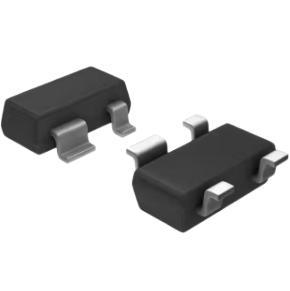
BF998; BF998R Silicon N-channel dual-gate MOS-FETs
NE3503M04-A RF JFET Transistors Low Noise HJ FET
- Introduction
- BF998 vs BF991 vs NE3503M04 vs MMBFJ310 Description
- BF998 vs BF991 vs NE3503M04 vs MMBFJ310 Pinout
- BF998 vs BF991 vs NE3503M04 vs MMBFJ310 CAD-Model
- BF998 vs BF991 vs NE3503M04 vs MMBFJ310 Application
- BF998 vs BF991 vs NE3503M04 vs MMBFJ310 Diagram
- BF998 vs BF991 vs NE3503M04 vs MMBFJ310 Alternatives
- BF998 vs BF991 vs NE3503M04 vs MMBFJ310 Package Dimension
- feature
- Pros & cons
- Related articles
- More comparison
- Product comparison
Introduction
RF transistors play a crucial role in various electronic applications, particularly in radio frequency (RF) circuits. Among the numerous RF transistors available, the BF998, BF991, NE3503M04, and MMBFJ310 are popular choices known for their excellent performance and reliability. In this article, we will conduct a comparative analysis of these four RF transistors, exploring their features, specifications, and potential use cases.
Transistors are fundamental electronic components that play a crucial role in amplifying and switching electronic signals. In this article, we will compare and contrast four popular transistors: BF998, BF991, NE3503M04, and MMBFJ310. We will explore their descriptions, features, pinout configurations, and their respective pros and cons. By understanding the characteristics of each transistor, you can make informed decisions in your electronic designs.
BF998 vs BF991 vs NE3503M04 vs MMBFJ310 Description
1. BF998 Description:
![DXS]DS9I)QM7KK~P}C7WWPK](https://www.vessic.com/upload/image/content/20240130/32e7e08cec23abb4d5ce7b465ac90507.png "32e7e08cec23abb4d5ce7b465ac90507.png")
The BF998 is a dual-gate MOSFET transistor designed for high-frequency applications. It offers low noise and high gain characteristics, making it ideal for use in amplifiers, mixers, and oscillators. With a frequency range of up to 2 GHz, the BF998 is suitable for radio receivers, wireless communication systems, and broadband applications. Its low input/output capacitance and low intermodulation distortion further enhance its performance in demanding RF circuits.
2. BF991 Description:
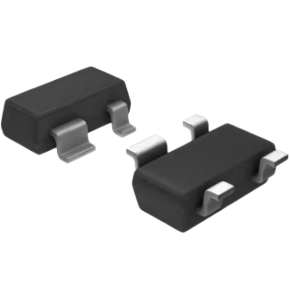
Similar to the BF998, the BF991 is a dual-gate MOSFET transistor with a frequency range up to 2 GHz. It shares many characteristics with the BF998, including low noise and high gain properties. The BF991 is commonly used in RF amplifiers, mixers, and oscillators, where low noise is critical. Its low input capacitance and high reverse isolation contribute to its overall performance, making it a reliable choice for RF circuit designers.
3. NE3503M04 Description:
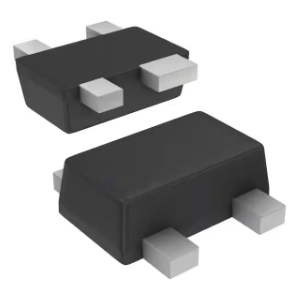
The NE3503M04 is a high-frequency NPN transistor designed for RF and microwave applications. It offers excellent linearity, high gain, and low noise figure, making it suitable for use in low-noise amplifiers, RF mixers, and high-performance receivers. The NE3503M04 operates at frequencies up to 4 GHz, making it well-suited for modern wireless communication systems, radar systems, and satellite receivers. Its low power consumption and high stability make it an attractive option for demanding RF designs.
4. MMBFJ310 Description:
![~RKWAC[PO`P2]5LOYQ0C4QQ](https://www.vessic.com/upload/image/content/20240130/d6a005ba9cabad6840729ed7edee0c91.png "d6a005ba9cabad6840729ed7edee0c91.png")
The MMBFJ310 is a N-channel RF transistor with a cutoff frequency of 450 MHz. It is designed for low-power, high-frequency applications and is commonly used in RF amplifiers, mixers, and oscillators. The MMBFJ310 offers low noise figure, good linearity, and high gain, making it suitable for portable devices, wireless communication systems, and low-power RF circuits. Its small package and low power consumption make it a popular choice in space-constrained applications.
BF998 vs BF991 vs NE3503M04 vs MMBFJ310 Pinout
BF998 Pinout:
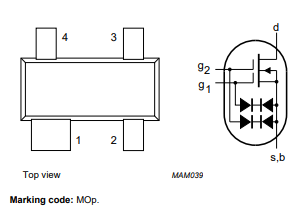
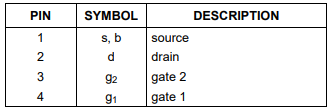
Pinout Configuration:
The BF998 transistor has three pins:
1. Source (S)
2. Gate 1 (G1)
3. Gate 2 (G2)
BF991 Pinout
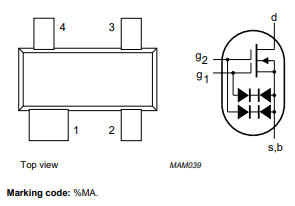

NE3503M04 Pinout

Pinout Configuration:
The NE3503M04 transistor has three pins:
1. Source (S)
2. Gate 1 (G1)
3. Gate 2 (G2)
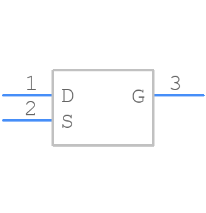
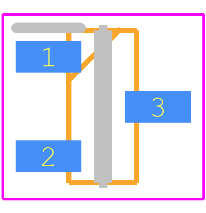
MMBFJ310 Pinout

Pinout Configuration:
The MMBFJ310 transistor has three pins:
1. Drain (D)
2. Source (S)
3. Gate (G)
BF998 vs BF991 vs NE3503M04 vs MMBFJ310 CAD-Model
BF998
Symbol
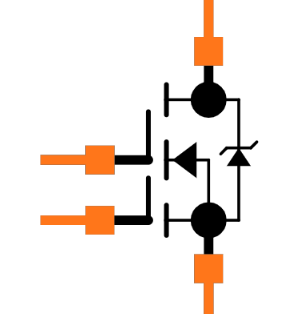
Footprint

3D-Model
BF991
Symbol
Footprint
3D-Model
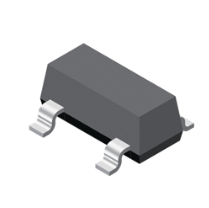
NE3503M04
Symbol
Footprint
3D-Model
MMBFJ310
Symbol
Footprint
3D-Model

BF998 vs BF991 vs NE3503M04 vs MMBFJ310 Application
BF998 vs BF991 vs NE3503M04 vs MMBFJ310 Diagram
BF998 vs BF991 vs NE3503M04 vs MMBFJ310 Alternatives
BF998 vs BF991 vs NE3503M04 vs MMBFJ310 Package Dimension
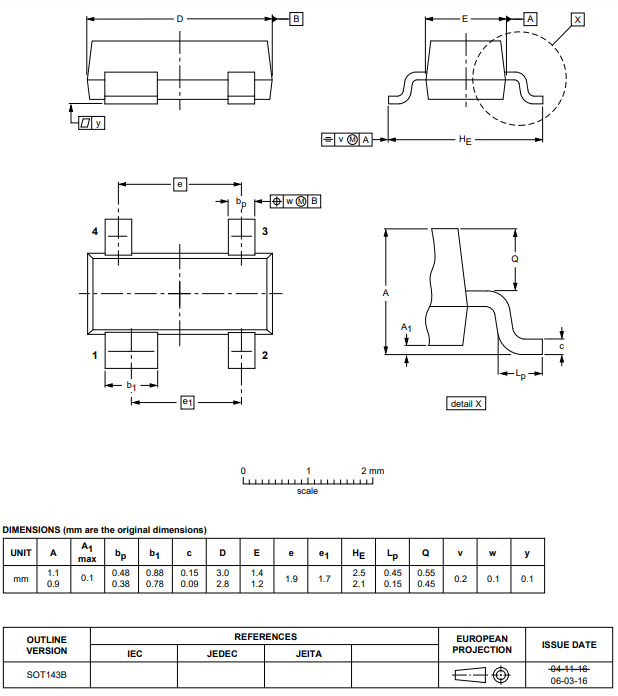
BF998 Package dimension
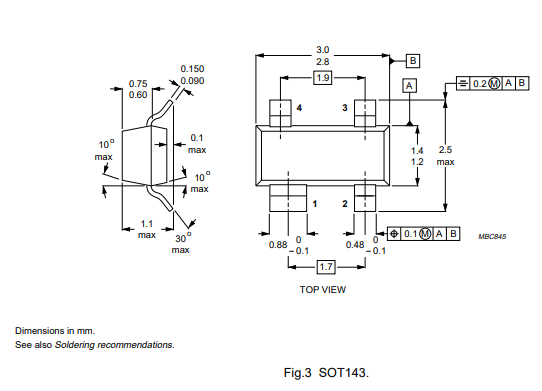
BF991 Package dimension
![]ZC[IR_0{$SQ(LM(5%BEG(3](https://www.vessic.com/upload/image/content/20240130/4889531507a4a1c5d07b63a2b04e64c4.png "4889531507a4a1c5d07b63a2b04e64c4.png")
NE3503M04 Package dimension
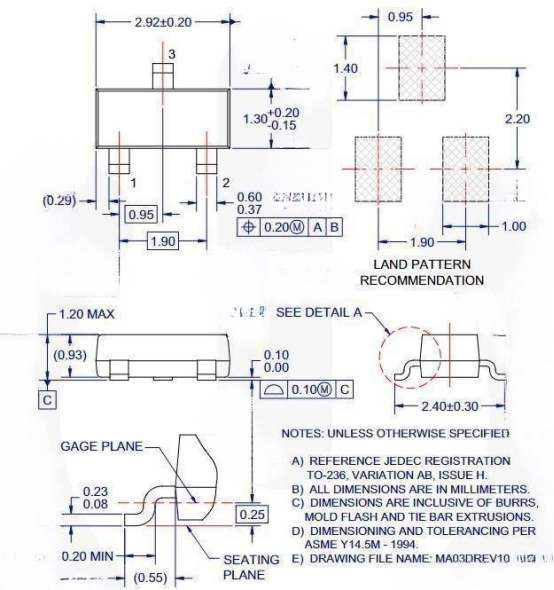
MMBFJ310 Package dimension
feature
BF998 Features:
- Low noise figure
- High gain
- Wide frequency range
- Low power consumption
- Dual-gate design for enhanced performance
BF991 Features:
- Low noise figure
- High gain
- Wide frequency range
- Low power consumption
NE3503M04 Features:
- Low noise figure
- High gain
- Wide frequency range
- Dual-gate design
- Low power consumption
Features:
- Low noise figure
- High gain
- Low power consumption
- General-purpose JFET design
Pros & cons
BF991 Pros:
- Excellent for RF applications due to low noise figure
- Dual-gate design enables versatility in circuit design
- Wide frequency range for various applications
Cons:
- Limited voltage and current handling capacity
- Availability might be limited compared to other transistors
BF991 Pros:
- Low noise figure makes it suitable for sensitive amplification applications
- Dual-gate design provides flexibility in circuit design
- Wide frequency range enables usage in various applications
Cons:
- Limited voltage and current handling capacity
- Availability might be limited compared to other transistors
NE3503M04 Pros:
- Low noise figure makes it ideal for sensitive amplification tasks
- Dual-gate design for enhanced performance and flexibility
- Suitable for a wide range of high-frequency applications
Cons:
- Limited voltage and current handling capacity
- Availability might be an issue compared to other transistors
MMBFJ310 Pros:
- Low noise figure makes it suitable for low-power amplification tasks
- General-purpose JFET design allows for a wide range of applications
- Low power consumption is advantageous for battery-operated devices
Cons:
- Limited voltage and current handling capacity compared to other transistors
- May not be suitable for high-frequency applications
Related articles
More comparison
Comparison:
- Frequency Range: The BF998 and BF991 have a frequency range of up to 2 GHz, while the NE3503M04 operates up to 4 GHz. The MMBFJ310 has a cutoff frequency of 450 MHz, making it suitable for lower frequency applications.
- Noise Figure: The BF998, BF991, NE3503M04, and MMBFJ310 all offer low noise figures, making them suitable for low-noise applications. However, the specific noise figures may differ slightly between the transistors.
- Gain: All four transistors provide high gain, ensuring signal amplification without significant degradation. The specific gain values may vary depending on the operating conditions.
- Applications: The BF998, BF991, NE3503M04, and MMBFJ310 find applications in amplifiers, mixers, and oscillators. However, the NE3503M04's higher frequency range makes it particularly suitable for modern wireless communication systems and radar applications.
Product comparison
-
ImagePart NumberManufacturerToleranceVoltage - RatedProduct StatusPackage / CaseProduct CategoryView Compare
-
-
25 V
Active
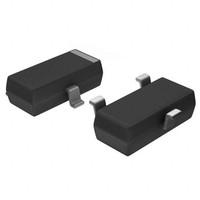
TO-236-3, SC-59, SOT-23-3
Transistors - FETs, MOSFETs - RF
-
-
12 V
Active
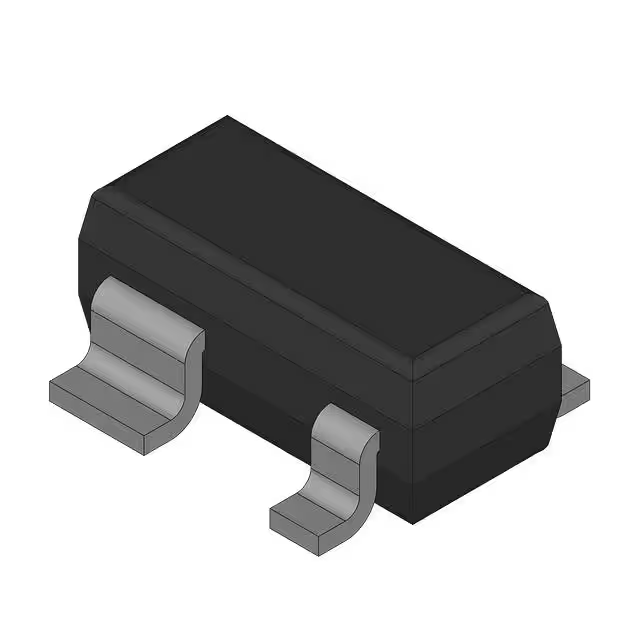
TO-253-4, TO-253AA
Transistors - FETs, MOSFETs - RF
-
-
20 V
Obsolete
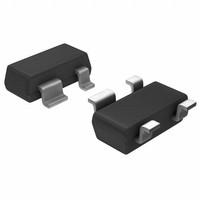
TO-253-4, TO-253AA
Transistors - FETs, MOSFETs - RF
-
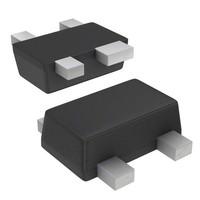
-
4 V
Discontinued at Digi-Key
SOT-343F
Transistors - FETs, MOSFETs - RF
- Share this post
-


Frequently Asked Questions
Related Articles

2N5551 vs BC547 BJTs Comparison
LM3914 vs LM3915 vs LM3916 vs LM3917 How They Work?
Top 12 electronic component distributors 2024
TPS5450DDAR Datasheet, Pinout, Specification
C945 Transistor Datasheet:C1815 VS C945 Comparison
Lithium Battery Charger TP4056: Datasheet, Schematic, Price
TDA7265 Audio Amplifier:How To Connect And Test?
1n4007 vs 1n5399 Rectifier Diode: Pinout, Datasheet, Specifications
SN74HC595N vs SN74HC574N Shift Register Datasheet,Specs
H6 vs H7 vs H8 vs H9 Battery Difference and Choosing Guide

-
1,000+Daily Order Quantity
-
2,500,000+Alternative Parts
-
2,200+Worldwide Manufacturers
-
10,000 ㎡In-stock Warehouse