Exploring the Synergy between Blockchain Technology & Electronic Components

Blockchain technology is a decentralized and distributed ledger system that allows multiple parties to maintain a shared digital database without the need for a centralized authority. It is essentially a transparent and secure system that records transactions across multiple computers, creating a chain of blocks that cannot be altered retroactively.
Introduction:
Blockchain technology has emerged as a revolutionary concept that has the potential to transform various sectors of the economy. One such area where blockchain technology can have a significant impact is the electronic component industry. By incorporating blockchain, manufacturers, suppliers, and consumers can benefit from increased transparency, traceability, and security throughout the supply chain. This article delves into the potential connections between blockchain technology and electronic components, exploring how this integration can optimize the industry.
1. Supply Chain Efficiency:
Blockchain technology can improve the efficiency of the electronic component supply chain through enhanced traceability and provenance. By creating a decentralized and immutable ledger, manufacturers can record every step of the component's journey, from production to delivery. Each transaction can be securely documented, ensuring that the components being used are genuine and of high quality. Additionally, manufacturers and suppliers can track the movement of components in real-time, reducing delays, counterfeiting, and fraud.
2. Counterfeit Prevention:
The electronic component industry is plagued by the problem of counterfeit products, leading to compromised quality, safety risks, and financial losses. By leveraging blockchain technology, companies can incorporate smart contracts that enable automatic verification and validation of components' authenticity. These contracts can verify the identity of the supplier, the history of the component, and its compliance with industry standards. This ensures that only genuine components enter the supply chain, mitigating the risks associated with counterfeit products.
3. Enhanced Product Lifecycle Management:
Blockchain technology can provide an immutable record of a component's entire lifecycle, from its point of origin to disposal. By incorporating Internet of Things (IoT) sensors with electronic components, data on usage, performance, and maintenance can be stored securely on the blockchain. This information can assist companies in optimizing product design, identifying faulty components, improving maintenance schedules, and streamlining after-sales services.
4. Decentralized Marketplaces:
Blockchain-based platforms can facilitate direct peer-to-peer transactions between component manufacturers, suppliers, and consumers. By eliminating intermediaries, transactions can be conducted securely and transparently, reducing costs and increasing efficiency. This decentralized marketplace can promote competition, empowering smaller manufacturers and enabling them to reach a wider customer base.
5. Intellectual Property Protection:
Intellectual property (IP) theft is a significant concern in the electronic component industry. Blockchain technology can provide an immutable record of all design and manufacturing-related data, ensuring secure storage and protection of sensitive information. Smart contracts can enforce IP rights, enabling manufacturers to securely share designs and information with authorized parties, while maintaining control over their intellectual assets.
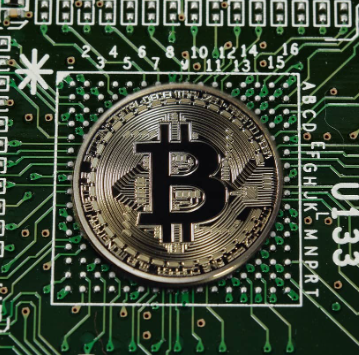
The main characteristics of blockchain technology :
1. Decentralization: It does not rely on a central authority, as the ledger is distributed among a network of computers (nodes).
2. Transparency: All participants have access to the same information, ensuring transparency and trust.
3. Security: The blocks are linked together using cryptography, making it difficult for any unauthorized changes to be made to the data.
4. Immutability: Once a transaction is recorded and a block is added to the chain, it becomes very difficult to alter or delete the information, providing a high level of security.
Blockchain technology has a wide range of potential applications across various industries, including:
1. Financial Services: It can be used for secure and efficient cross-border payments, trade finance, smart contracts, and identity verification.
2. Supply Chain Management: Blockchain can enable end-to-end transparency and traceability of products, reducing fraud, counterfeiting, and ensuring ethical sourcing.
3. Healthcare: It can securely store and share patient records, ensuring privacy, interoperability, and reducing administrative inefficiencies.
4. Voting Systems: Blockchain can provide secure and transparent voting systems, eliminating the possibility of fraud or manipulation.
5. Real Estate: It can streamline property transactions, including title transfers, reducing paperwork, and increasing transparency.
6. Energy Sector: Blockchain can facilitate peer-to-peer energy trading, grid management, and tracking renewable energy certificates.
7. Intellectual Property: Blockchain can provide a secure and unchangeable record of intellectual property rights, helping to fight piracy and protect creators.
These are just a few examples and as the technology evolves, new innovative use cases are being explored in various sectors.
Conclusion:
The integration of blockchain technology with electronic components has the potential to revolutionize the industry, optimizing supply chain management, preventing counterfeiting, improving product lifecycle management, enabling decentralized marketplaces, and safeguarding intellectual property. Embracing blockchain technology can benefit all stakeholders in the electronic component industry, fostering trust, transparency, and efficiency. By leveraging the full potential of blockchain technology, the industry can overcome numerous challenges and pave the way for a more secure and interconnected future.


Frequently Asked Questions
Related Articles

Raspberry Pi and Microcontrollers Detailed Comparison
A classification to converters
RTX4070 VS RTX4080 VS RTX4090 GPUs Comparison
Introducing the LOONGSON LS3A6000 CPU
Flip-Flop Electronics, How Flip Flops Work, Types, Application,
Basis of Alkaline Batteries, Lithium vs Alkaline Batteries vs Nickel
Electrical Connector Recognition:Types,Construction,Connecting Method
Coaxial Cable: A Versatile Solution for Signal Transmission
The Future of AI: Elon Musk's Concerns and the Birth of xAI Grok
What's the Difference Between Amplifier and Operational Amplifier
How to Fix an iPhone Flashlight That Isn’t Working