Fuses Choosing Tutorial Top 10 Fuses Recommendation For 2024
Introduction
Fuses are essential safety devices used to protect electrical circuits from overcurrent and short circuits. Choosing the right fuse for a particular application is crucial to ensure the safety and reliability of the circuit. This tutorial will provide a comprehensive guide to fuse selection, including key factors to consider, types of fuses available, the advantages, disadvantages, applications, and frequently asked questions related to fuses, and top fuse recommendations for 2024.
What is fuse?
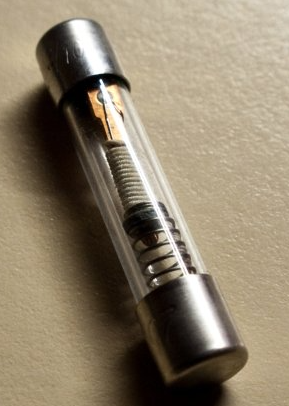
A fuse is a protective electrical device that safeguards electrical circuits from excessive current. It contains a low-melting-point metal wire or strip that melts when the current exceeds a specific limit. This interruption prevents damage to appliances and ensures safety.
Fuse working principle

Fuse tester
Key Factors to Consider When Choosing a Fuse
Current Rating: The current rating of a fuse is the maximum amount of current that it can safely carry without blowing. It is important to select a fuse with a current rating that is slightly higher than the normal operating current of the circuit.
Voltage Rating: The voltage rating of a fuse is the maximum voltage that it can withstand without breaking down. It is important to select a fuse with a voltage rating that is equal to or greater than the voltage of the circuit.
Type of Fuse:There are various types of fuses available, each with its own characteristics and applications. Some common types include cartridge fuses, blade fuses, and surface-mount fuses.
Speed of Operation: The speed of operation of a fuse refers to how quickly it blows when subjected to an overcurrent condition. Fast-acting fuses blow quickly, while slow-blowing fuses take longer to blow. The speed of operation should be selected based on the specific requirements of the circuit.
Breaking Capacity: The breaking capacity of a fuse is the maximum amount of current that it can interrupt without exploding or causing damage to the circuit. It is important to select a fuse with a breaking capacity that is greater than the maximum fault current that the circuit can experience.
Fuse Advantages & Disadvantages
Types of Fuses
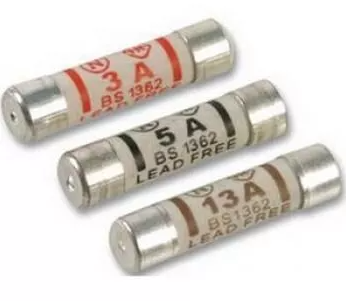
Cartridge Fuses: Cartridge fuses are cylindrical fuses that are typically used in high-power applications. They are available in a wide range of current and voltage ratings.
Blade Fuses: Blade fuses are flat, rectangular fuses that are commonly used in automotive and electronic applications. They are available in a variety of sizes and current ratings.
Surface-Mount Fuses: Surface-mount fuses are small, low-profile fuses that are designed for use on printed circuit boards (PCBs). They are available in a variety of current and voltage ratings.
Top 10 Fuse Recommendations For 2024
Based on factors such as reliability, performance, and cost, the following are some of the top fuse recommendations for 2024:
Littelfuse 0216007.RXP: A high-quality cartridge fuse with a current rating of 7A and a voltage rating of 250V.
Eaton Bussmann BP/130: A reliable blade fuse with a current rating of 15A and a voltage rating of 32V.
Bel Fuse 0603-010: A compact surface-mount fuse with a current rating of 100mA and a voltage rating of 32V.
Cooper Bussmann FWP-100: A fast-acting cartridge fuse with a current rating of 100A and a voltage rating of 600V.
Mersen AJB30: A high-breaking capacity blade fuse with a current rating of 30A and a voltage rating of 250V.
Schurter 0030.3321: A slow-blowing cartridge fuse with a current rating of 3.15A and a voltage rating of 250V.
Littelfuse 0275003.RXP: A miniature cartridge fuse with a current rating of 3A and a voltage rating of 250V.
Eaton Bussmann BP/5: A compact blade fuse with a current rating of 5A and a voltage rating of 32V.
Bel Fuse 0402-025: A low-profile surface-mount fuse with a current rating of 250mA and a voltage rating of 32V.
Cooper Bussmann FWP-200: A high-current cartridge fuse with a current rating of 200A and a voltage rating of 600V.
Conclusion
Choosing the right fuse is essential for ensuring the safety and reliability of electrical circuits. By considering the key factors discussed in this tutorial and selecting a fuse from the recommended list, you can ensure that your circuits are protected from overcurrent and short circuits. Remember to always refer to the manufacturer's specifications and consult with a qualified electrician if you have any doubts or require further guidance.


Related Articles

Multiplexing In Networking:Multiplexing & Demultiplexing Examples
How MOSFETS Work?Know Everything About Mosfet:Types,Operation
What Are Biosensors Used For And How Does It Work?
What is a Voltage divider? Function, Formula, Application
What are Different Types of DB Connectors: DB9,DB15,DB25,DB37,DB50
Types of Switches: A Guide to Understanding and Utilizing Them
How Does An IGBT Rectifier Work?
How to Connect to an FTP with a Different Port
Understanding IMU: A Beginner's Guide to Inertial Measurement Units
Exploring the Capabilities of Google's Gemini AI Model: Is It the Best?
Brushless DC (BLDC) Motor Explained:Working Principles, Structure