What is PMIC, How PMIC works
Catalog
1. What is PMIC?
2. How PMIC works?
3. 6 Key Benefits of Power Management Multi-Channel IC (PMIC)
4. Which electronics have PMICs
5. Example models of PMIC
6. Prospect of PMICs
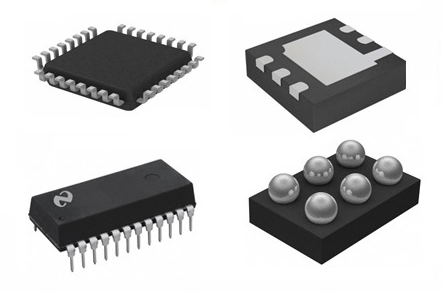
1. What is PMIC?
PMIC, which stands for Power Management Integrated Circuit, is an essential component in electronic devices that play a crucial role in managing and regulating power supply. It is responsible for converting and distributing power efficiently to different subsystems and components within a device.
In today’s world, where electronic devices have become an integral part of our lives, PMICs are widely used in various applications such as smartphones, tablets, laptops, wearable devices, and IoT devices. They ensure that these devices receive the appropriate voltage and current levels, optimizing their performance and extending battery life.
2.How PMIC works?
So, how does a PMIC work?
Power Conversion: One of the primary functions of a PMIC is to convert power from the main power source, such as a battery or an external power supply, to the required voltage levels for different components. This conversion is achieved using different techniques like buck, boost, and buck-boost converters. These converters efficiently step down or step up the voltage levels as per the device’s requirements.
Voltage Regulation: PMICs also play a crucial role in regulating the voltage levels supplied to different subsystems and components within a device. They ensure that each component receives a stable and consistent voltage, regardless of the fluctuations in the input voltage. This regulation prevents damage to the components and ensures their optimal performance.
Current Management: PMICs manage the current flow within a device, preventing it from exceeding safe limits. They incorporate current sensing and protection mechanisms to monitor and control the current levels. This feature is particularly important in devices with power-hungry components like processors and graphics cards, as it prevents overheating and potential damage.
Power Sequencing: In complex electronic devices with multiple subsystems and components, PMICs handle power sequencing. They ensure that the power supply is sequenced in a specific order, allowing each subsystem to power up and stabilize before the next one. This sequencing prevents any potential issues or damage caused by simultaneous power-up events.
Power Efficiency: PMICs are designed to maximize power efficiency, minimizing energy wastage and optimizing battery life. They achieve this through techniques like voltage scaling, where the voltage levels are adjusted based on the device’s workload, and power gating, where unused components are powered off to conserve energy.
3.5 Key Benefits of Power Management Multi-Channel IC (PMIC)
Efficient Power Conversion: PMICs enable efficient power conversion by converting power from the main source to the required voltage levels for different components. This efficient conversion minimizes power losses and maximizes energy utilization, leading to longer battery life and improved overall system efficiency.
Voltage Regulation and Stability: PMICs provide voltage regulation, ensuring that each component within a device receives a stable and consistent voltage. This regulation prevents voltage fluctuations, which can cause damage to components and affect their performance. It ensures reliable operation and extends the lifespan of electronic devices.
Current Management and Protection: PMICs manage the flow of current within a device, preventing it from exceeding safe limits. They incorporate current sensing and protection mechanisms to monitor and control current levels. This feature safeguards components from damage caused by excessive current and helps maintain device reliability.
Power Sequencing and Control: PMICs handle power sequencing, ensuring that the power supply is sequenced in a specific order. This sequencing allows subsystems and components to power up and stabilize properly, preventing any potential issues or damage caused by simultaneous power-up events. It provides controlled and reliable power distribution within a device.
Space and Cost Efficiency: PMICs offer integration of multiple power management functions into a single chip. This integration saves space on the circuit board, reduces the number of external components, and simplifies the overall design. It also contributes to cost savings in terms of component count, manufacturing, and assembly.
4.Which electronics have PMICs
Smartphones and Tablets
Laptops and Computers
Wearable Devices
IoT Devices
Automotive Electronics
Industrial Equipment
5.Example models of PMIC
Commonly used power management chips are HIP6301, IS6537, RT9237, ADP3168, KA7500, TL494, etc.
Here are a few examples of popular PMIC models:
Texas Instruments (TI) TPS65982: This PMIC is commonly used in smartphones and tablets. It offers a wide range of features, including multiple buck converters, boost converters, LDOs (Low Dropout Regulators), and power sequencing capabilities. It also supports USB Power Delivery (PD) for fast charging.
Maxim Integrated MAX77650: This PMIC is designed for wearable devices and IoT applications. It features a highly integrated power management solution with multiple buck converters, LDOs, and a built-in charger for lithium-ion batteries. It offers high efficiency and low quiescent current, making it suitable for power-constrained devices.
Dialog Semiconductor DA9063: This PMIC is widely used in automotive applications. It provides a comprehensive power management solution with multiple buck converters, LDOs, and a battery charger. It also includes features like power sequencing, voltage monitoring, and protection mechanisms for automotive safety requirements.
Analog Devices ADP5052: This PMIC is commonly used in industrial and communication equipment. It offers a flexible power management solution with multiple buck converters, LDOs, and a boost converter. It supports dynamic voltage scaling and provides advanced fault protection features.
ON Semiconductor NCP6924: This PMIC is designed for portable devices and battery-powered applications. It integrates multiple buck converters, LDOs, and a charger for lithium-ion batteries. It offers high efficiency and low standby current, making it suitable for extending battery life in portable devices.
6.Prospect of PMICs
The future trends and prospects of PMICs are promising, driven by advancements in technology and the increasing demand for power-efficient devices. Here are a few key trends and prospects:
Higher Integration: PMICs are expected to become more integrated, combining multiple power management functions into a single chip. This trend enables smaller form factors, reduces power losses, and enhances overall system efficiency.
Advanced Power Conversion Techniques: As power requirements continue to increase in devices like smartphones and electric vehicles, PMICs will adopt advanced power conversion techniques such as gallium nitride (GaN) and silicon carbide (SiC) to improve efficiency and reduce energy losses.
Enhanced Power Efficiency: With the growing focus on sustainability and energy conservation, PMICs will play a crucial role in improving power efficiency. This includes features like dynamic voltage scaling, adaptive power management, and intelligent power control algorithms to optimize power consumption.
Integration with IoT and AI: PMICs will integrate with IoT devices and artificial intelligence (AI) technologies to enable more intelligent power management. This includes features like predictive power management, context-aware power allocation, and adaptive voltage scaling based on workload and environmental conditions.
Wireless Power Transfer: PMICs will support wireless power transfer technologies like Qi wireless charging, enabling convenient and efficient charging without the need for physical connectors. This trend will drive the adoption of PMICs in various wireless charging applications.
Automotive Applications: With the rise of electric vehicles (EVs) and autonomous driving, PMICs will play a crucial role in managing power supply and optimizing energy usage in automotive systems. This includes features like fast charging, power delivery, and robust protection mechanisms.
Overall, the future of PMICs looks promising, with advancements in integration, power efficiency, IoT integration, and automotive applications. These trends will contribute to the development of more efficient and sustainable electronic devices, ensuring optimal power management and enhanced user experiences.
In one word, PMICs are critical components that enable efficient power management in electronic devices. They ensure that devices receive the right amount of power, regulate voltage and current levels, and maximize power efficiency. Without PMICs, electronic devices would struggle to function optimally and may experience power-related issues. As technology continues to advance, PMICs will play an increasingly vital role in powering our devices and enabling their seamless operation.


Frequently Asked Questions
Related Articles

Exploring the Synergy between Blockchain Technology & Electronic Components
Cas9 Explanation
Seven Nanometer Technology: Revolutionizing the Semiconductor Industry
Arm vs X86: Application, Price & Future Development
A Guide to Solenoid Switches and Starter Solenoids
Wireless Charging Explained: Working, Pros & Cons, Applications
Understanding Pinout: A Comprehensive Guide
A Beginner's Instruction Manual about Raspberry Pi
Power Transformers vs Converters: Are they the same
Circuit For Buck Boost Converters: Stable Transforming Voltage
Uncovering the Secrets of Electronic Component Storage